Field visits and technical and policy discussions shape CAFAMORE annual meeting in Romania
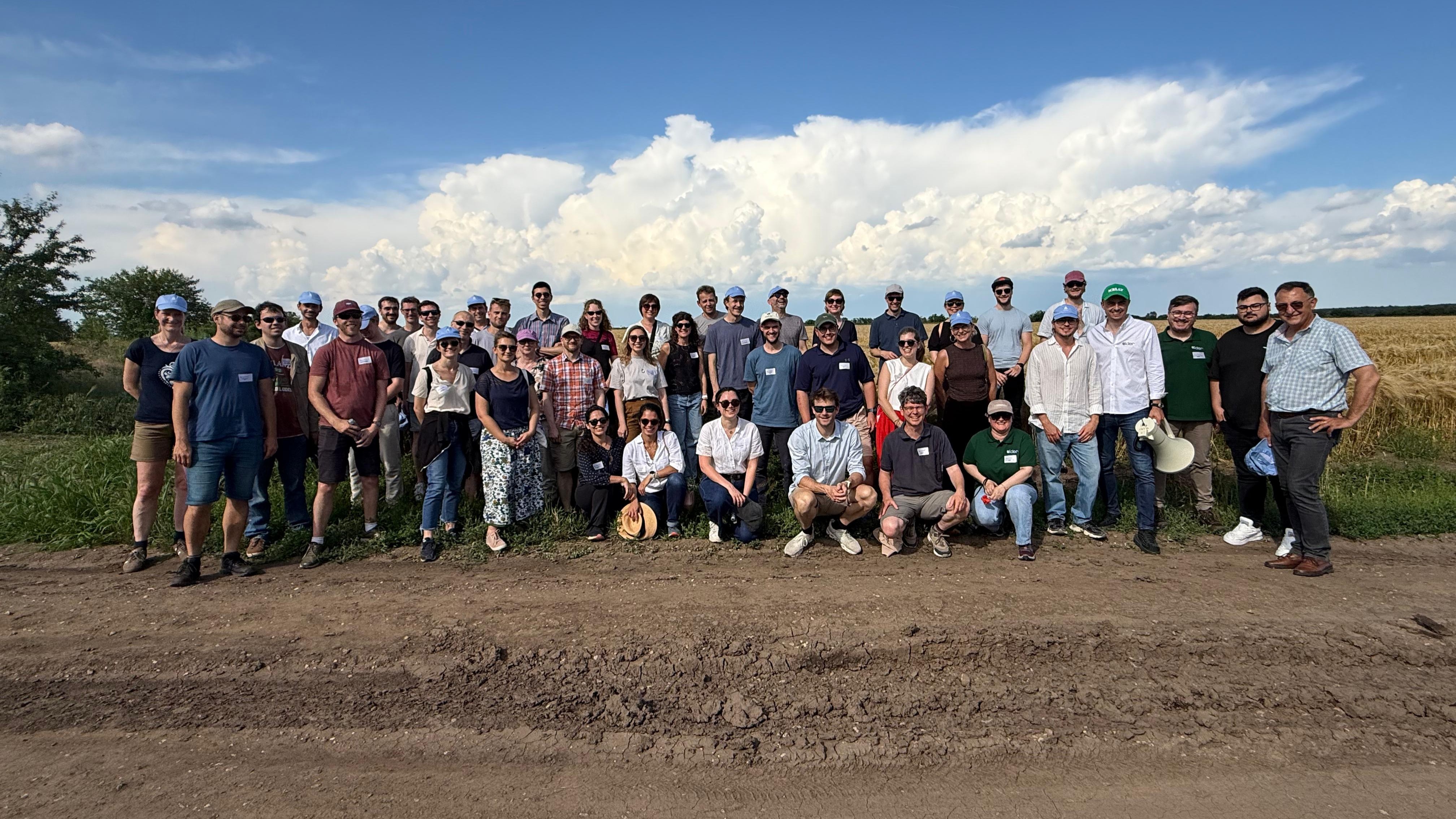
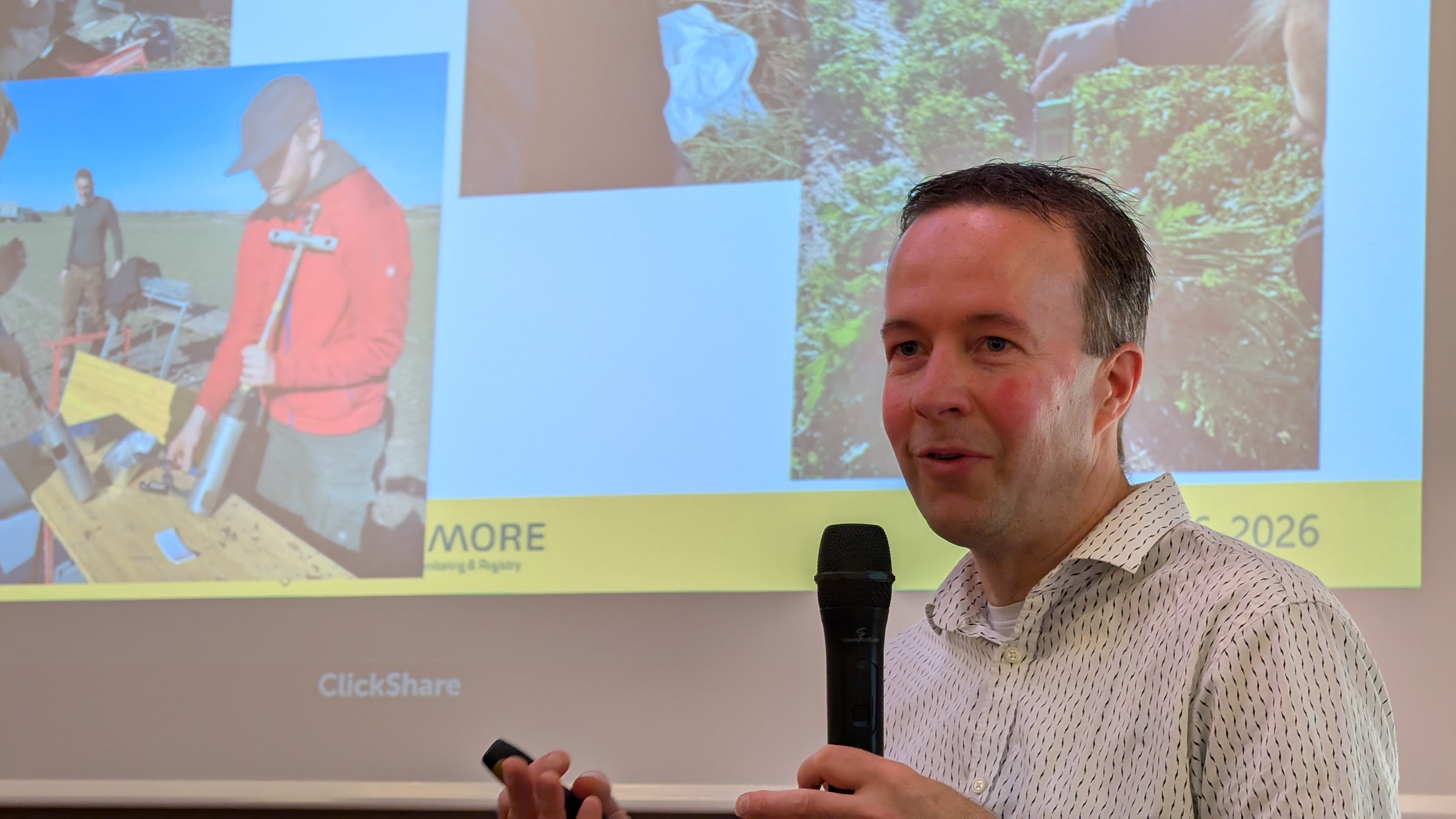
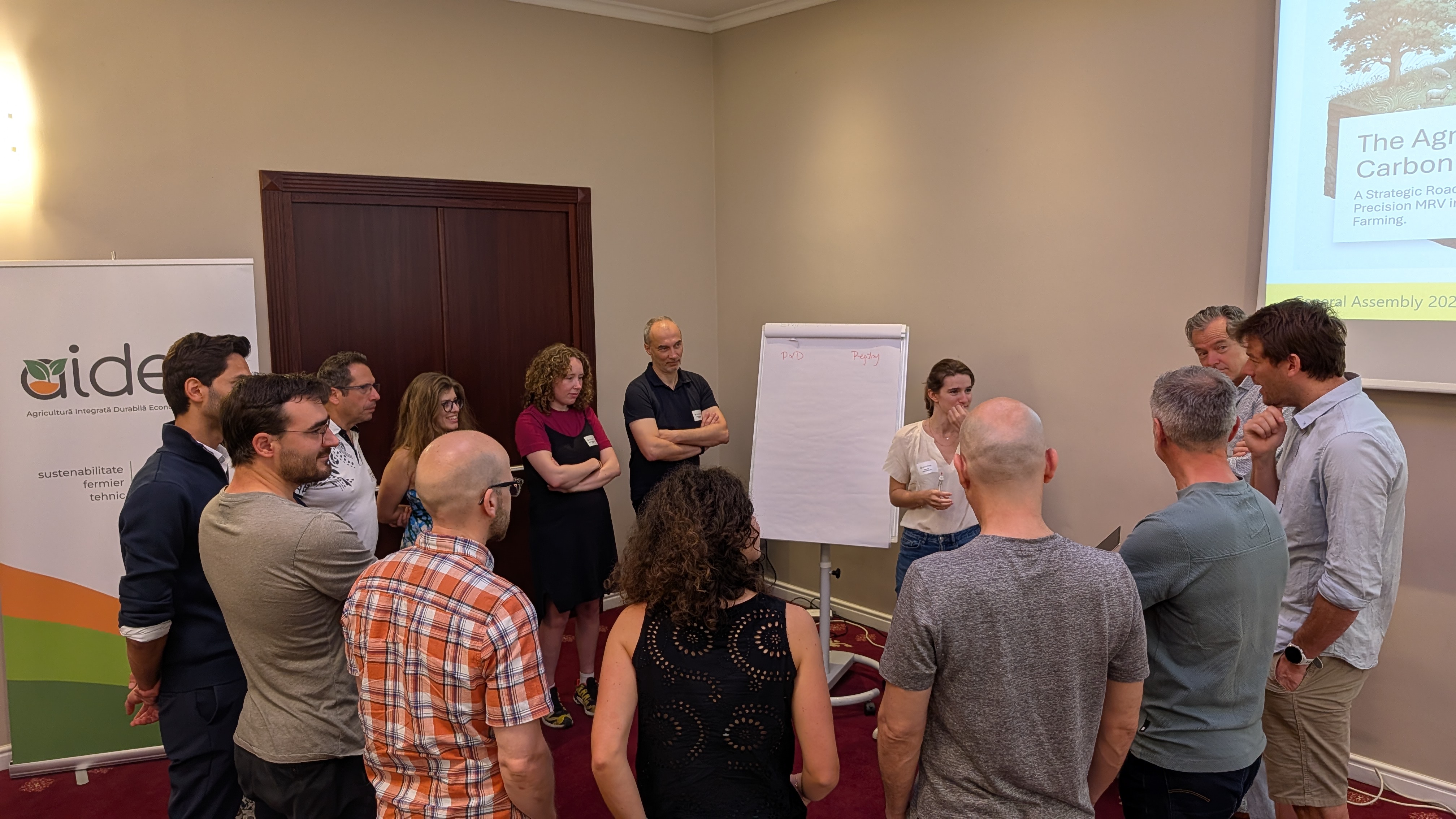
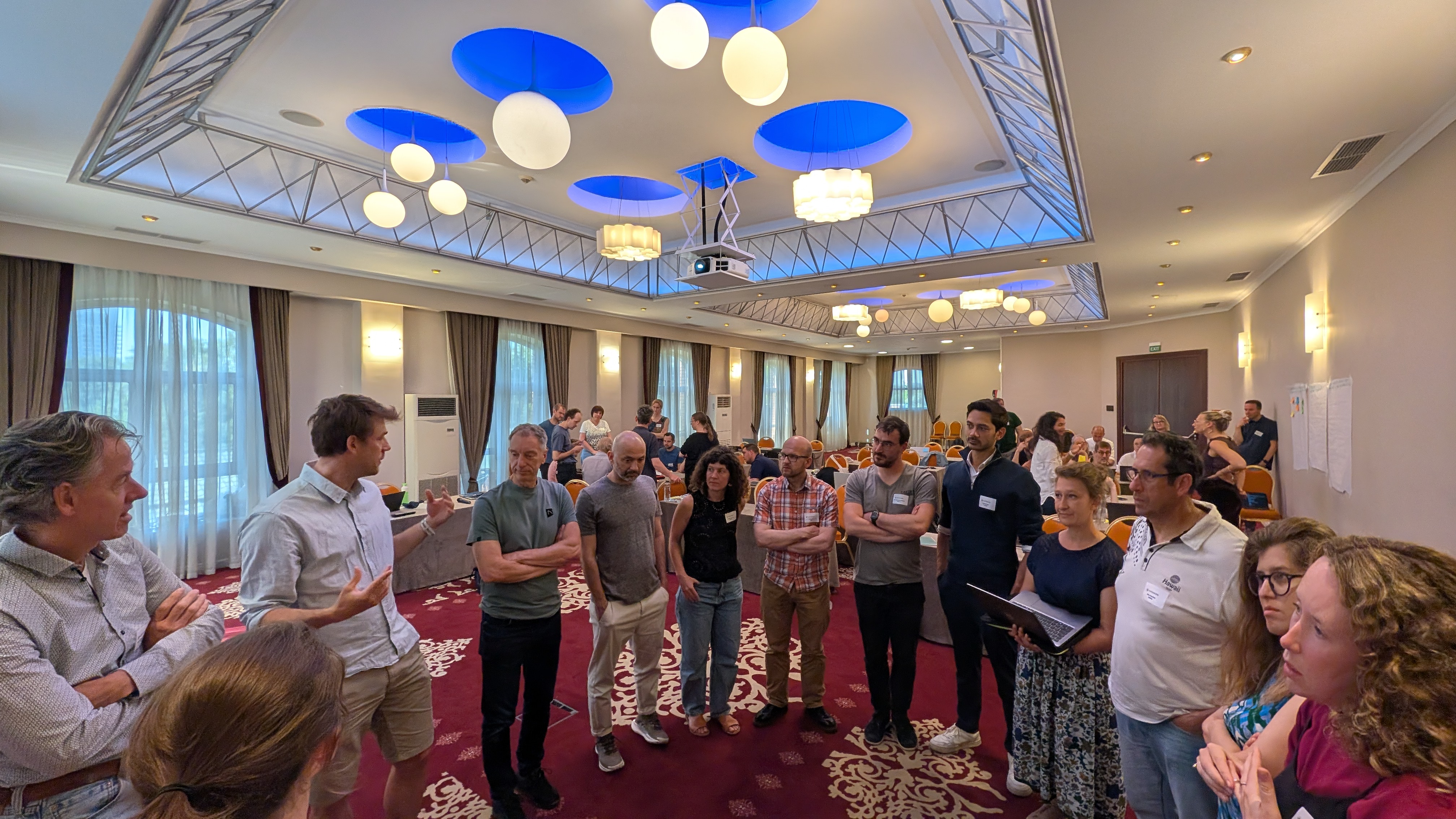
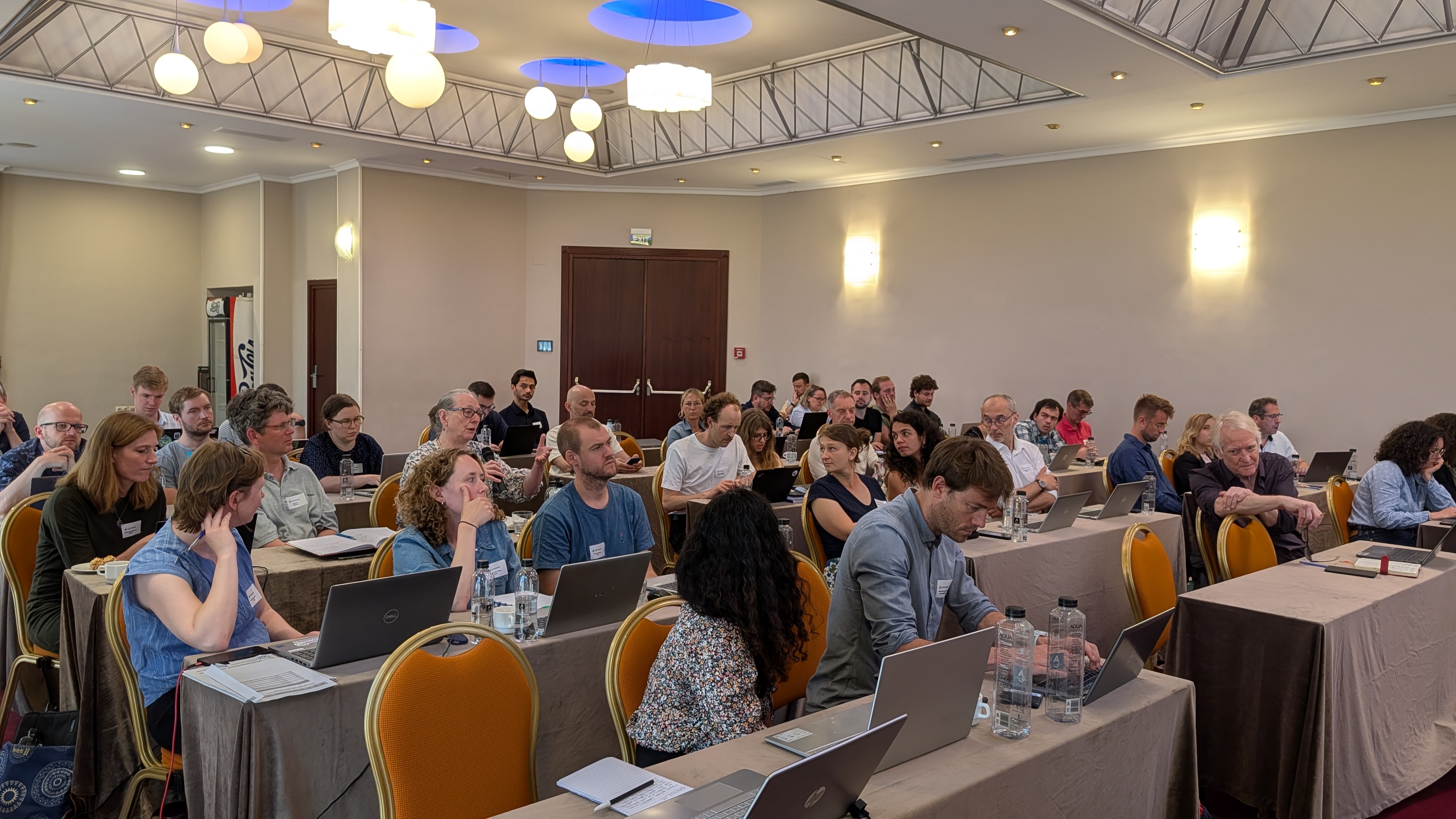
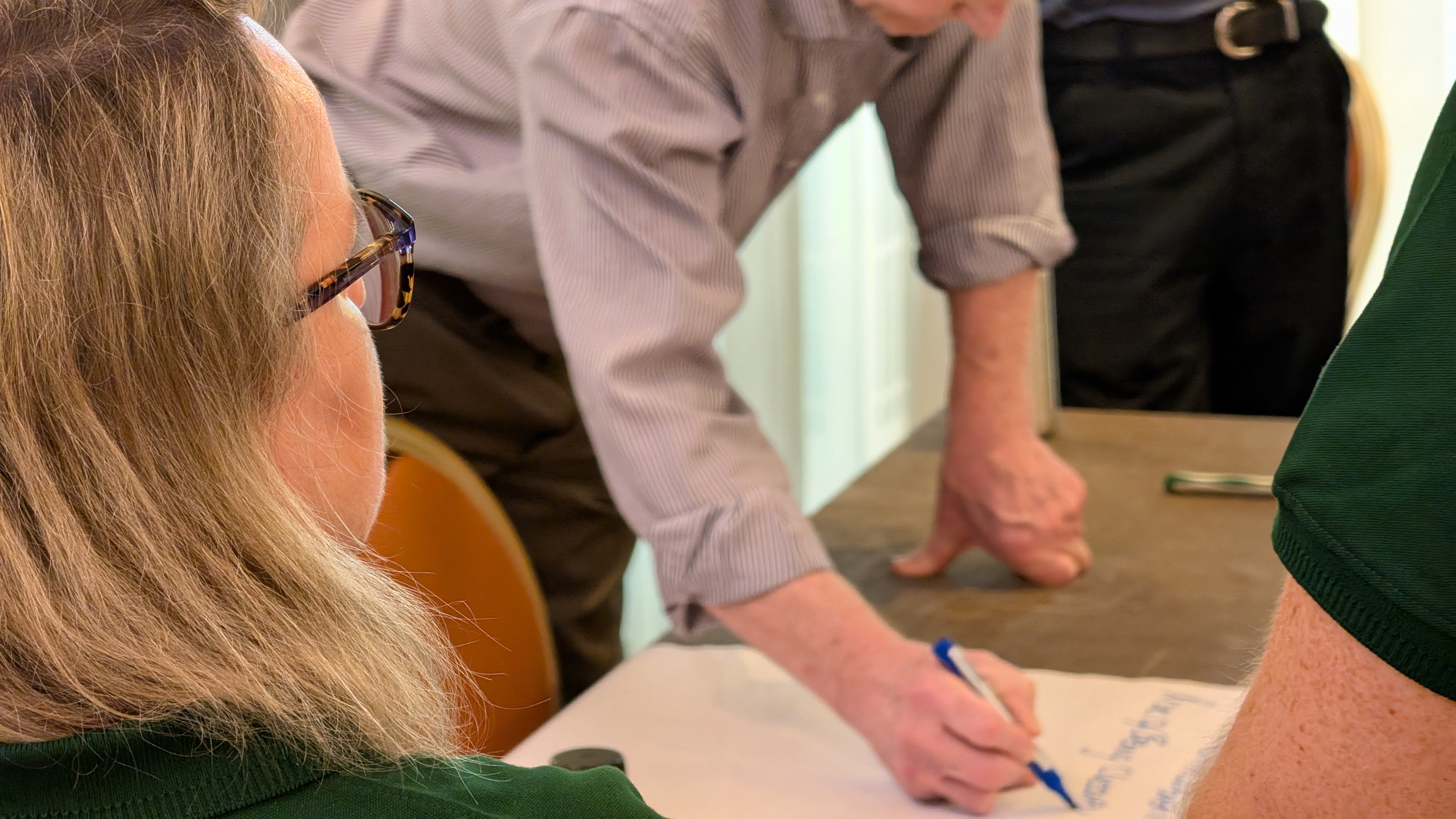
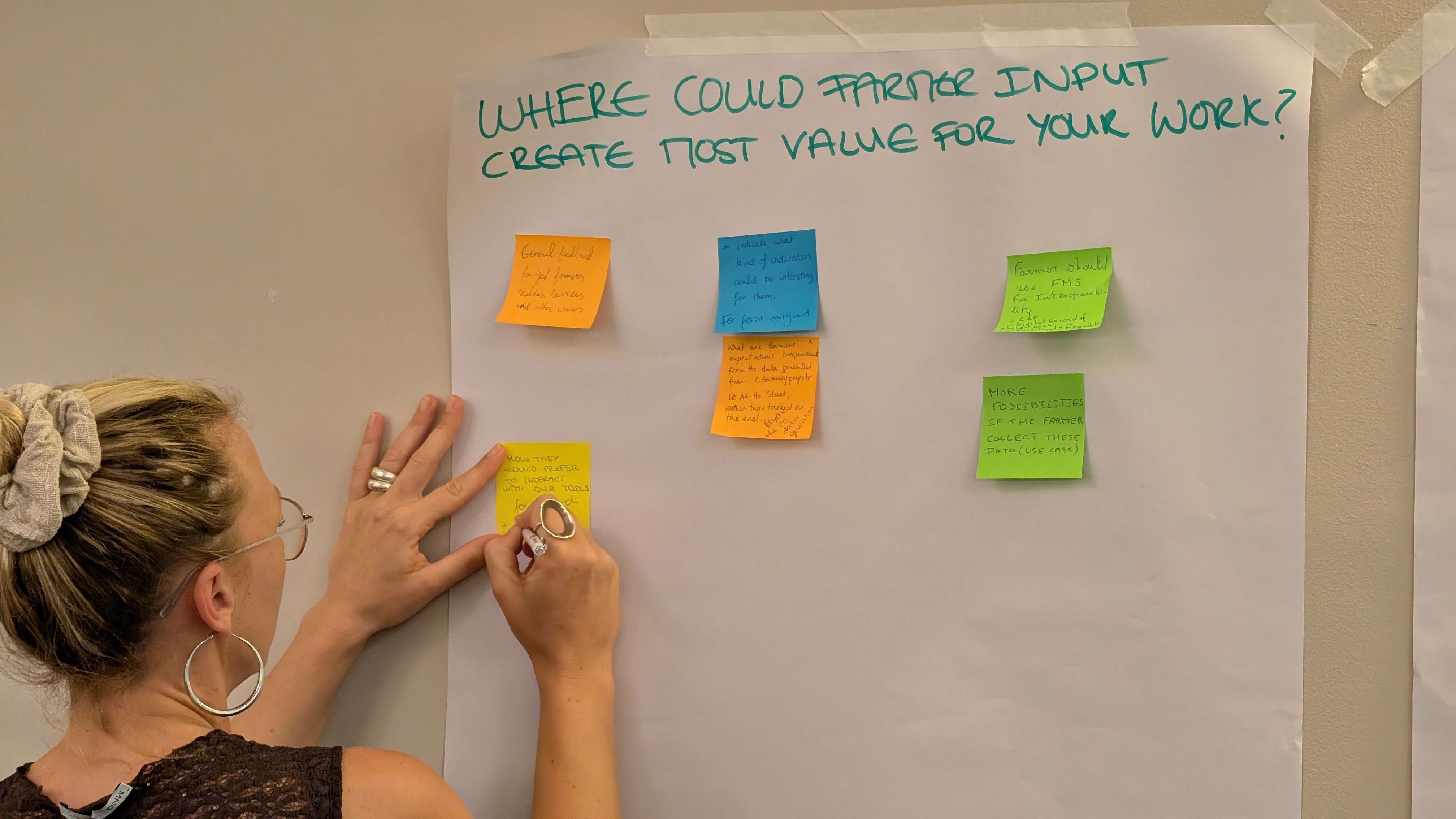
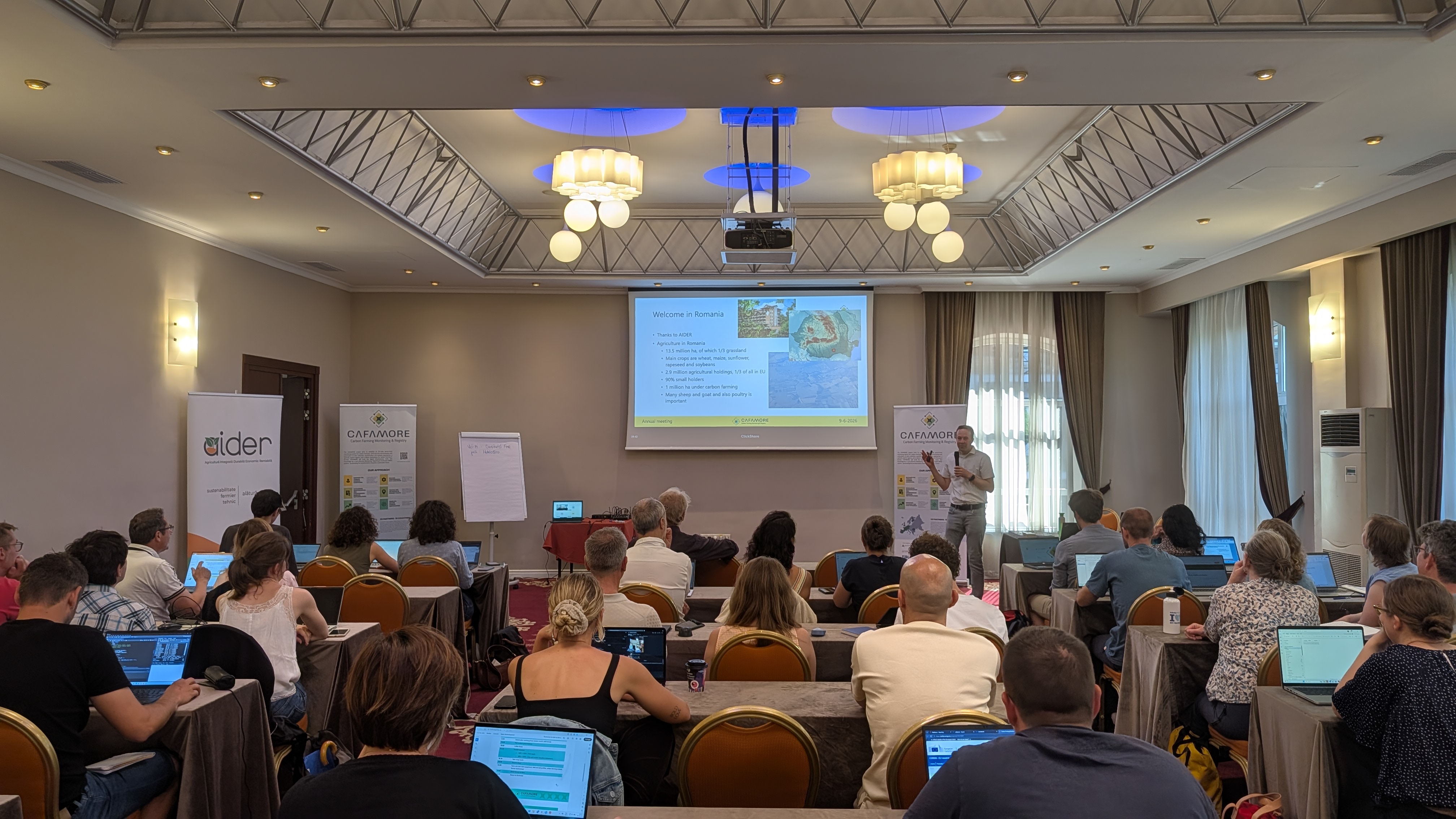
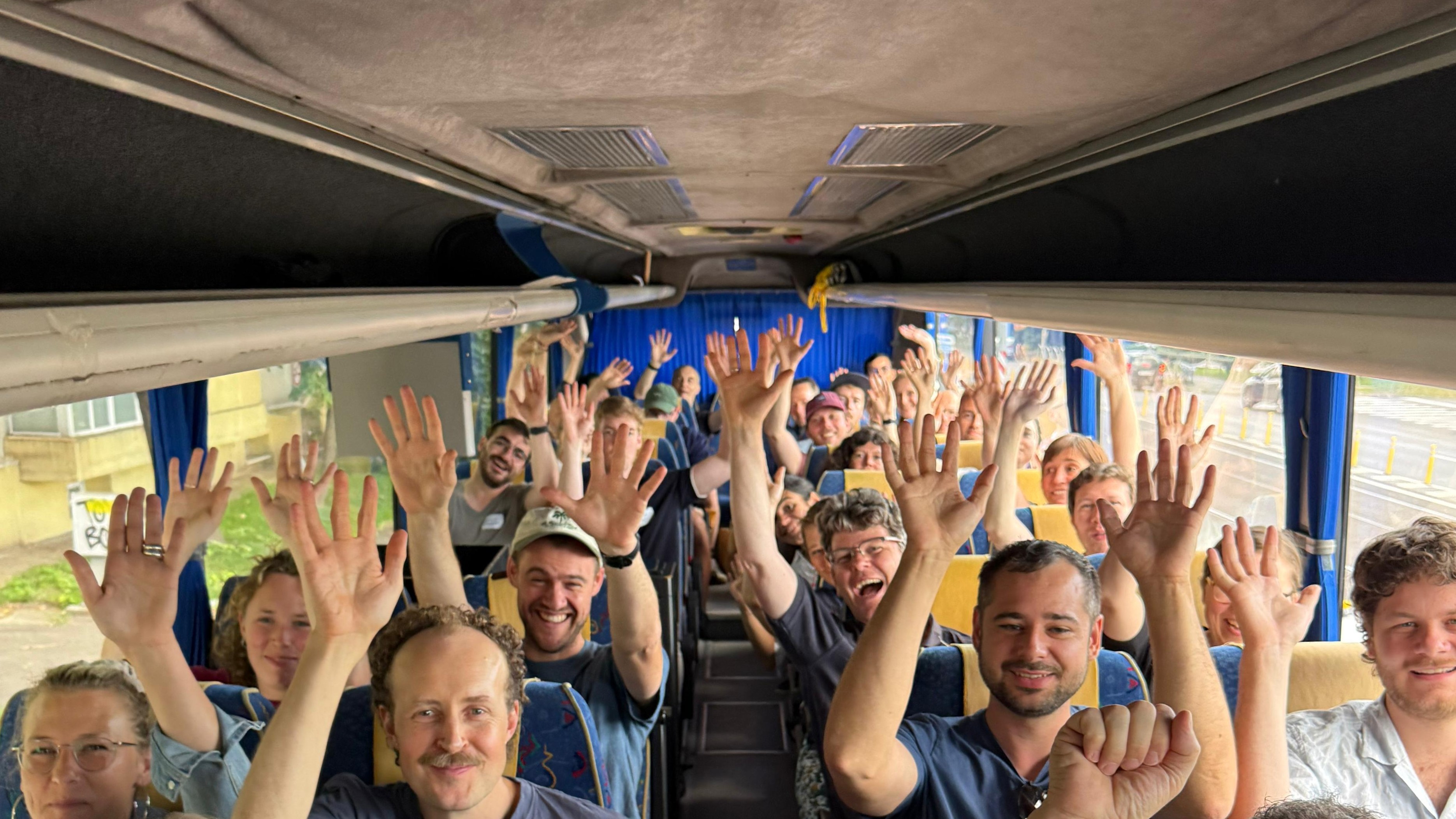
More than 40 CAFAMORE partners gathered in Bucharest, Romania, from 9 to 11 June for the project’s Annual Meeting, in an intensive three-day event packed with discussions and activities, both indoors and in the field. During the meeting, the consortium reviewed the project’s progress throughout its first year and discussed upcoming challenges and priorities related to data and model-baseline interactions, Earth Observation, soil sampling, pilot activities and much more.
The development and implementation of the Carbon Removals and Carbon Farming (CRCF) Regulation remains one of CAFAMORE’s central areas of focus. In this context, discussions addressed key topics such as the EU Registry for carbon certificates and the Buyers’ Club. The Annual Meeting also provided an opportunity for participants to receive the latest updates and insights directly from policymakers involved in these initiatives, such as Valeria Forlin (DG CLIMA), Radu Tudose (DG CLIMA) and José Manuel Panizo Plaza (DG DIGIT).
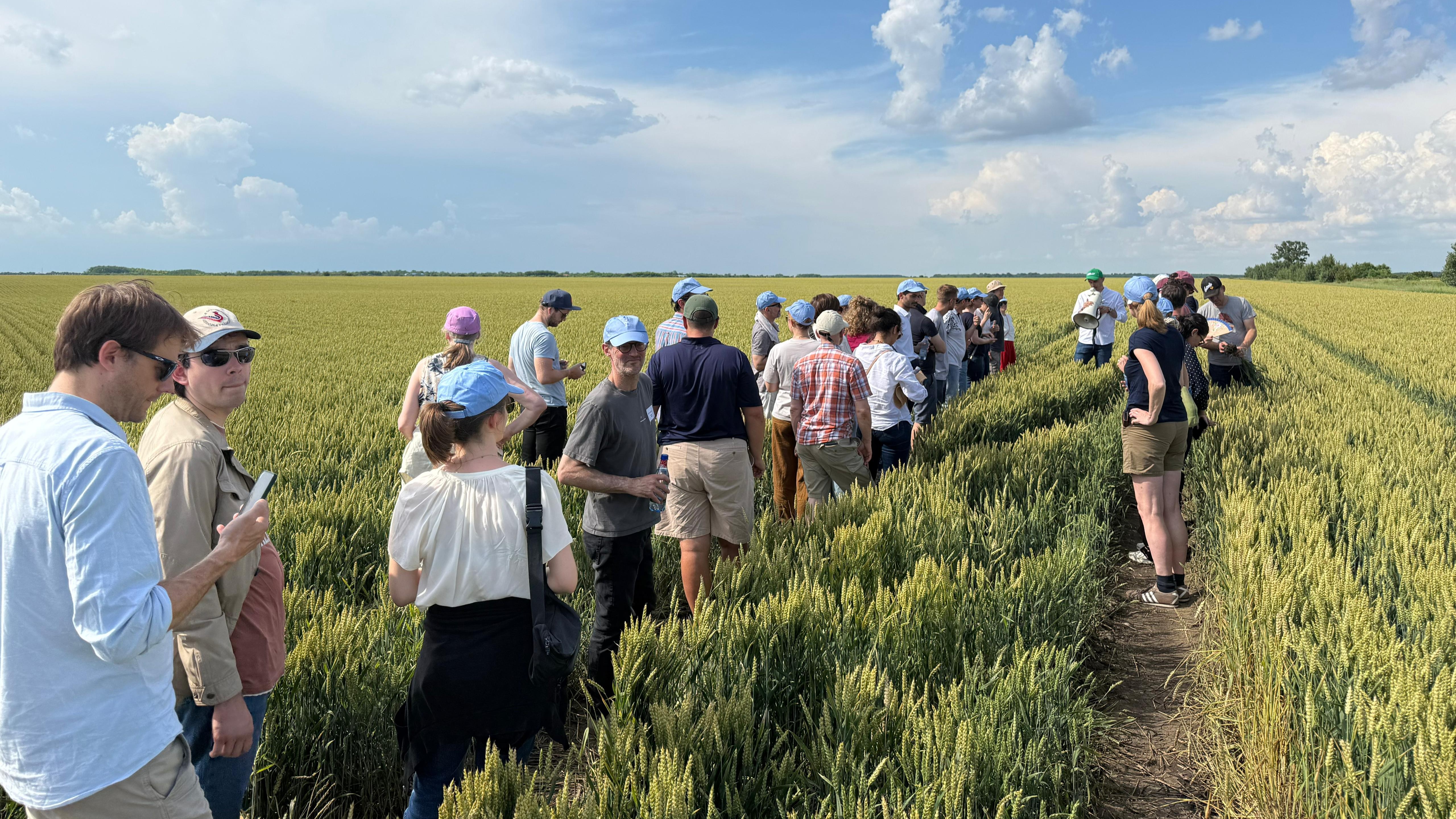
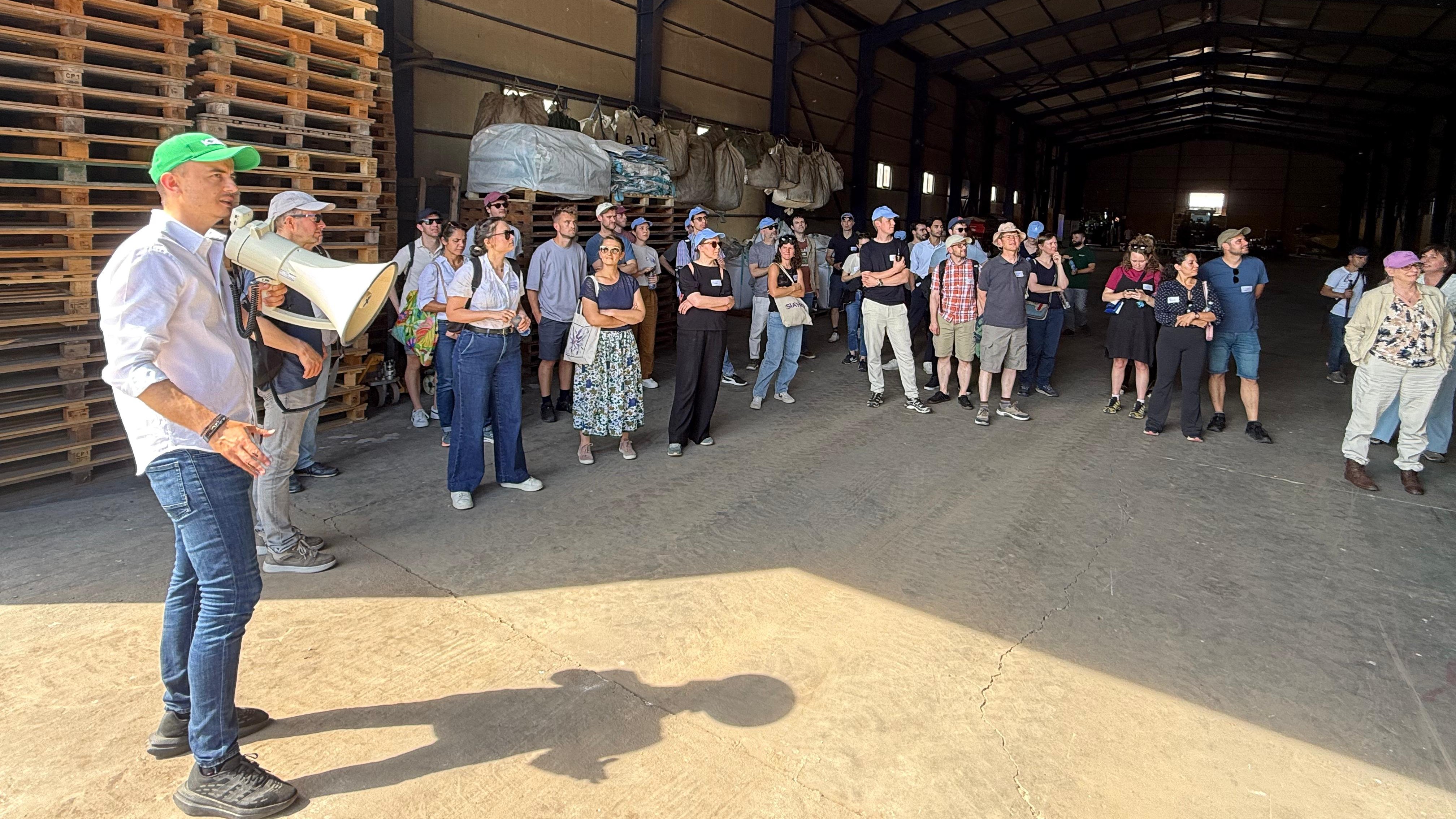
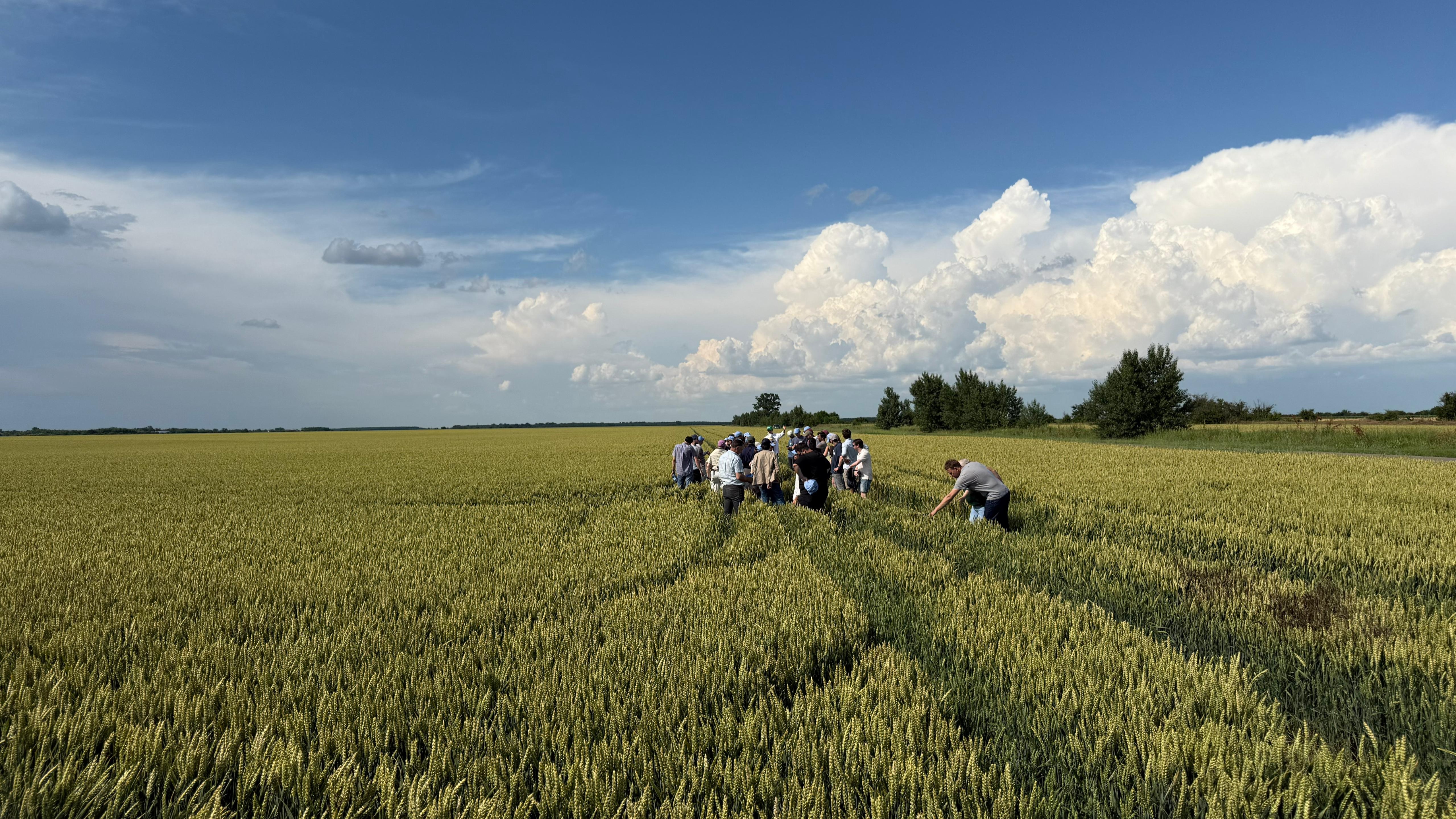
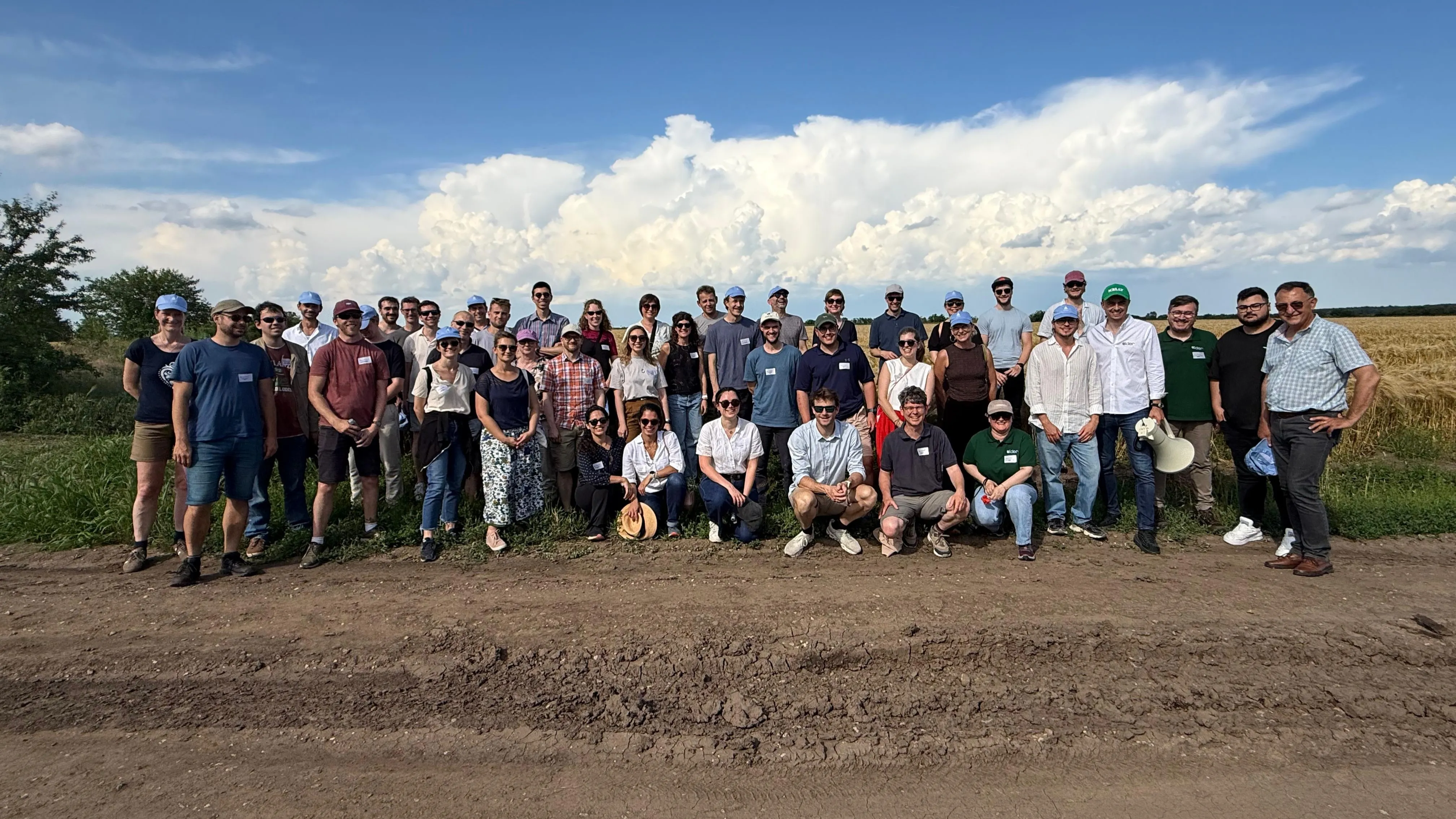
The visit to Bucharest was also an ideal opportunity to learn about the state of regenerative agriculture in Romania, where approximately one million hectares are managed using carbon farming practices. The event also offered the opportunity to visit Agrofond Invest in Valea Argovei, one of the farms that pioneered this transition in the country and across Europe. There, owners Doru and Nelu Gheoghe explained how it was their awareness of soil health that motivated them to transform their farming practices. The visit included tours of wheat and barley fields, where participants learned more about the farm’s management approach, as well as its environmental, climatic and soil conditions.
The field visit also created an opportunity to engage with local farmers from Asociatia AIDER and learn about their experiences, farming contexts, and the different challenges faced by large and small farms in their transition towards regenerative agriculture. Particular attention was given to issues such as land ownership and leasing arrangements, long-term commitments, and the administrative burden placed on farmers.
As the meeting demonstrated, the project is steadily advancing towards its goals and has a unique opportunity to contribute to CRCF implementation while helping align MRV systems for Scope 3 reporting with CRCF requirements. The publication of a timely Policy Brief on the Buyers’ Club, together with participation in several sessions at the European Carbon Farming Summit 2026, the CRCF Days, and other major events, highlights CAFAMORE’s growing influence and potential impact.
As project coordinator Jan Peter Lesschen explained: “At the end of the project, we aim to deliver robust data catalogues and improved quantification models, integrating remote sensing information and soil sampling data to achieve more accurate quantification of the amount of carbon stored in soils. We also aim to develop improved business models for carbon farming and provide deeper insights into market aspects”. The project’s second year will be crucial in building on this momentum, with a range of resources, webinars and stakeholder discussions already in the pipeline.